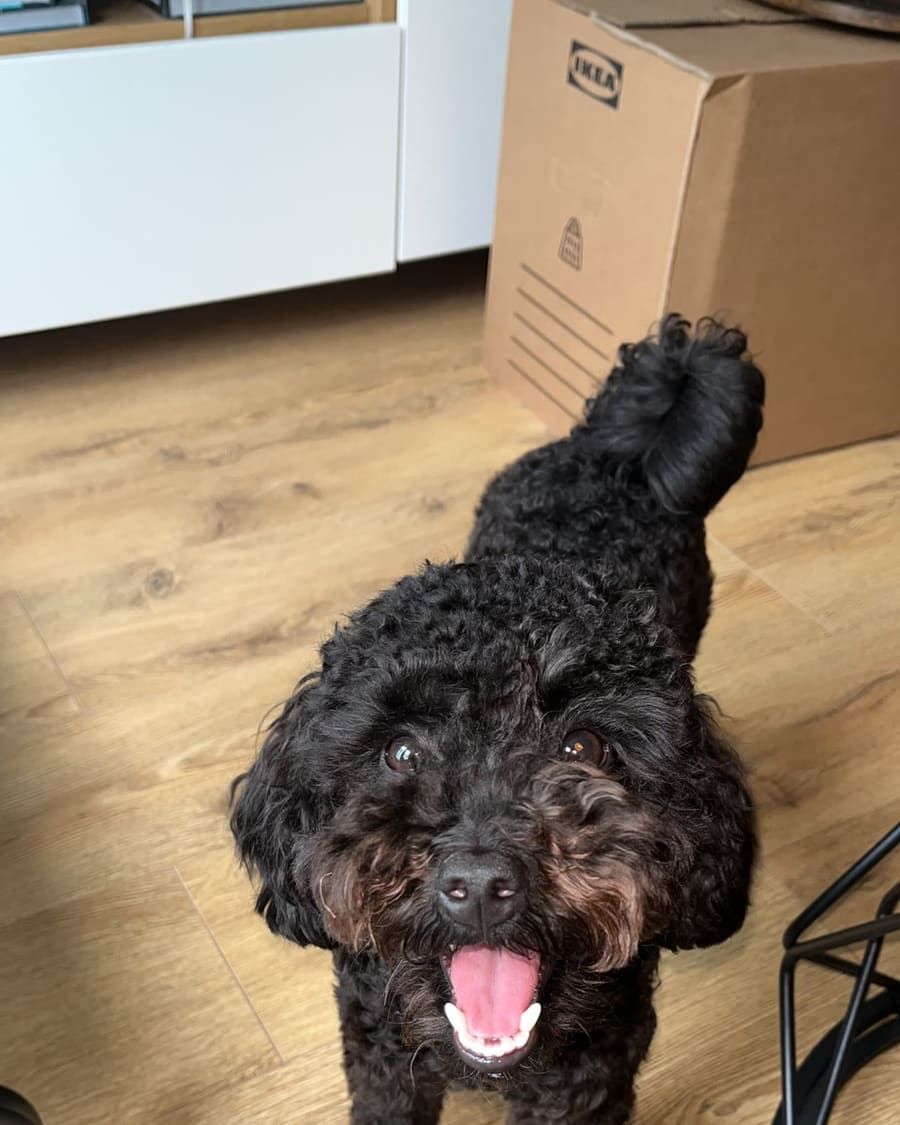
Basic Obedience: The First 5 Commands Rolo Learned
The first five commands we taught Rolo, in the order that worked, using nothing but treats, patience and sessions under five minutes.
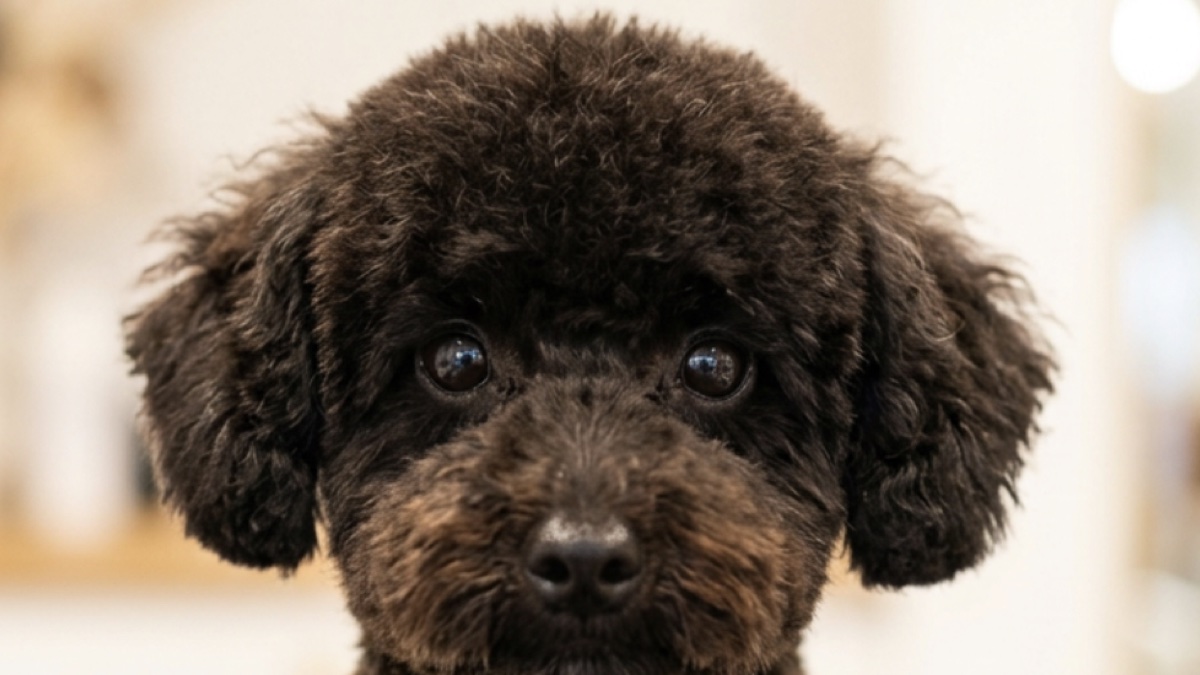
Toy poodles are ranked second in canine intelligence, just behind the border collie.
That sounds wonderful. And it is, once your puppy has decided to cooperate.
In the early weeks, Rolo’s intelligence mostly showed up as creative ways around every boundary I tried to set. He wasn’t misbehaving. He was problem-solving. The difference matters, because it shaped how I approached training from the start.
Here are the first five commands Rolo learned, why each one matters, and how we taught them, using only positive reinforcement, in sessions that never lasted more than five minutes. Whether you have a toy poodle or any other breed, this is the right place to start.
Why Start Training From Day One
The Learning Window
The case for starting training in week one is strong. Puppies are learning constantly from the moment they arrive, whether you are actively teaching them or not. Every interaction teaches them something about how the world works and what to expect from you.
Short, frequent, positive training sessions build three things at once: the command itself, your puppy’s ability to focus, and the bond between you. Even a five-minute sit session is a genuine win.
Short, Positive, Consistent
The key word is positive. Modern dog training is reward-based. Food treats, calm praise, and occasionally a favourite toy are the tools. Punishment, meaning verbal corrections, lead jerks, anything that causes discomfort or fear, is not included. Not because it is too soft, but because it does not work as well and it damages the relationship you are trying to build.
Keep sessions to three to five minutes maximum for young puppies. Their concentration span is short. Three high-quality repetitions in three minutes is worth far more than thirty distracted repetitions in twenty.
Sit: The Foundation of Everything
Sit is almost always the first command taught for a reason. It is simple, immediately useful, and lays the groundwork for everything that follows.
How to Teach It
- Hold a treat close to your puppy’s nose.
- Slowly raise it upward and slightly back over their head.
- Their bottom will lower naturally as their nose follows the treat upward.
- The moment their bottom touches the floor, say “sit” clearly and reward immediately.
Once they are responding reliably to the hand movement, add the verbal cue slightly before the gesture. Eventually, fade the gesture entirely so the word alone is sufficient.
With Rolo, this took three sessions over two days. By day five, he was sitting reliably on the pavement as well as in the kitchen. Toy poodle obedience training moves fast when the reward is right.
Where It Becomes Useful
Sit becomes a default behaviour your dog offers when they want something, far more useful than jumping up. Ask for a sit before meals, before going through a door, before crossing the road. You will use this constantly.
Stay: Building Impulse Control
Once sit is reliable, stay follows naturally. It teaches impulse control, one of the most important skills for a city dog.
How to Teach It
- Ask for a sit.
- Open your palm toward your puppy, the “stay” hand signal, and say “stay.”
- Wait one second, return, and reward before they move.
- Gradually extend: two seconds, five, ten.
- Once duration is solid, add distance: one step back, then two, then three.
Only reward while they are still. If they break the stay, calmly reset and try again with a shorter duration. No punishment, just a quiet reset.
Why City Dogs Need This
Rolo found this considerably harder than sit. Toy poodles are alert and curious; waiting patiently while their owner moves away goes against every instinct. We built up slowly over several weeks.
The payoff is enormous. A dog who holds position at a café while you step inside. A dog who sits calmly at the kerb while you check for traffic. A dog who does not bolt through the front door the moment it opens. All of that is stay.
Come: The Most Important Command You Will Ever Teach
Come may be the single most critical command your dog ever learns. It is the difference between a loose dog and a safe dog.
Teaching Recall as a Game
Teach it as a game, always with high-value reward:
- When your puppy is a few metres away, crouch down, open your arms wide, and call their name followed by “come!” in a warm, excited voice.
- When they reach you, reward generously and make it a celebration every single time.
- Never call your dog to come for something they find unpleasant: a bath, being crated, ending a play session. This poisons the recall.
- If they don’t come, never chase. Move away instead to encourage them to follow.
Common Mistakes to Avoid
Recall in your flat is one thing. Recall in a park with distractions is entirely another and takes months to build properly. Start the habit now, every positive recall builds the foundation. Never punish a dog for coming to you, even if they took a long time. The moment they arrive, it is always a win.
Down and Leave It: The Urban Dog Pair
Teaching Down
Down extends impulse control into a more relaxed, settled position. It is useful in cafés, on the Tube, at vets, and anywhere you need your dog calm and out of the way.
Teaching it from sit: hold a treat at your puppy’s nose and slowly lower it straight to the floor between their front paws. Most puppies will follow with their head and then lower their whole body. The moment their elbows touch the floor, mark and reward.
Teaching Leave It: A Safety Essential
Leave it is non-negotiable for city living. London pavements are full of things your dog should not eat. A reliable leave it could one day save their life.
Teaching it: place a treat in your closed fist and hold it near your puppy’s nose. Let them sniff, paw, and investigate. The moment they pull back, even briefly, open your hand and reward with a different treat from your other hand. Gradually progress to treats on the floor, then to food or objects encountered outdoors.
Both commands take consistent daily practice over several weeks to become truly reliable. Start them in week one, and by week eight you have a dog who is genuinely responsive, and a city life that is considerably more manageable.
Final Thoughts
Five commands. That is all you need to get started. Sit, stay, come, down, and leave it cover the vast majority of everyday situations you will face in London with a young dog.
The training itself is straightforward. What makes it work is consistency, showing up every day with treats in your pocket and a few minutes to spare. Toy poodles are fast learners, but they need you to be consistent first.
Start this week. Keep sessions short. Celebrate every win. The foundations you build now will shape the dog you have for the next fifteen years.
FAQs
When should I start training my toy poodle puppy?
From the day they arrive home. Every interaction is teaching them something. Short, positive sessions from week one build focus, habit, and bond simultaneously.
How long should training sessions be for a young puppy?
Three to five minutes maximum. Puppies have very short concentration spans. Multiple short sessions throughout the day are far more effective than one long session.
My puppy won’t sit when asked. What am I doing wrong?
Check three things: the treat value (use high-value food, not just kibble), the environment (start in low-distraction spaces and build up), and your reward timing (mark and reward the instant their bottom touches the floor, not a second later).
What is the best treat to use for training a toy poodle?
Small, soft, and smelly. Cooked chicken, freeze-dried meat, or a commercial soft training treat work well. Keep pieces tiny, pea-sized or smaller, so you can reward frequently without filling your puppy up.
How long does it take to get a reliable recall?
A reliable recall in low-distraction environments can develop within two to four weeks. A recall that holds in parks and around other dogs takes months of gradual proofing. Start early and never stop practising.
Can I use verbal corrections if my puppy gets something wrong?
No, verbal corrections create confusion and can damage your puppy’s confidence. Simply reset, go back to basics, and try again. Positive reinforcement puppy training works by rewarding right behaviour, not punishing wrong behaviour.
What if my puppy breaks the stay?
Calmly reset without any fuss. Shorten the duration and rebuild. Breaking the stay is a signal that the duration or distance was too much, not that your puppy is being difficult.
Is leave it the same as drop it?
No. Leave it means don’t touch the item. Drop it means release what’s already in your mouth. Both are worth teaching separately: they cover different situations and are both essential for city living.
My toy poodle seems bored of training quickly. What do I do?
Keep sessions very short, two to three minutes for young puppies. End on a success. Vary the rewards and introduce new challenges gradually. Toy poodles are intelligent and need variety to stay engaged.
Do I need a professional trainer or can I do this myself?
For the five basic commands, you absolutely can do this yourself with consistency and positive reinforcement. For specific challenges, such as reactivity, anxiety, or persistent behaviour issues, a qualified positive reinforcement trainer is worth consulting.


