Taking Your Puppy on Their First Train Journey
Dogs travel free on every UK train and the Tube, no ticket needed. Here's how to prepare a puppy for their first ride, what to pack, and where to go once they've got the hang of it.
You’ve done the vaccinations, the puppy classes, the endless pavement walks around the block. Now comes the next big milestone: getting on a train. And if the thought of wrestling a wriggly puppy through a ticket barrier whilst strangers stare makes your palms sweat, you’re not alone.
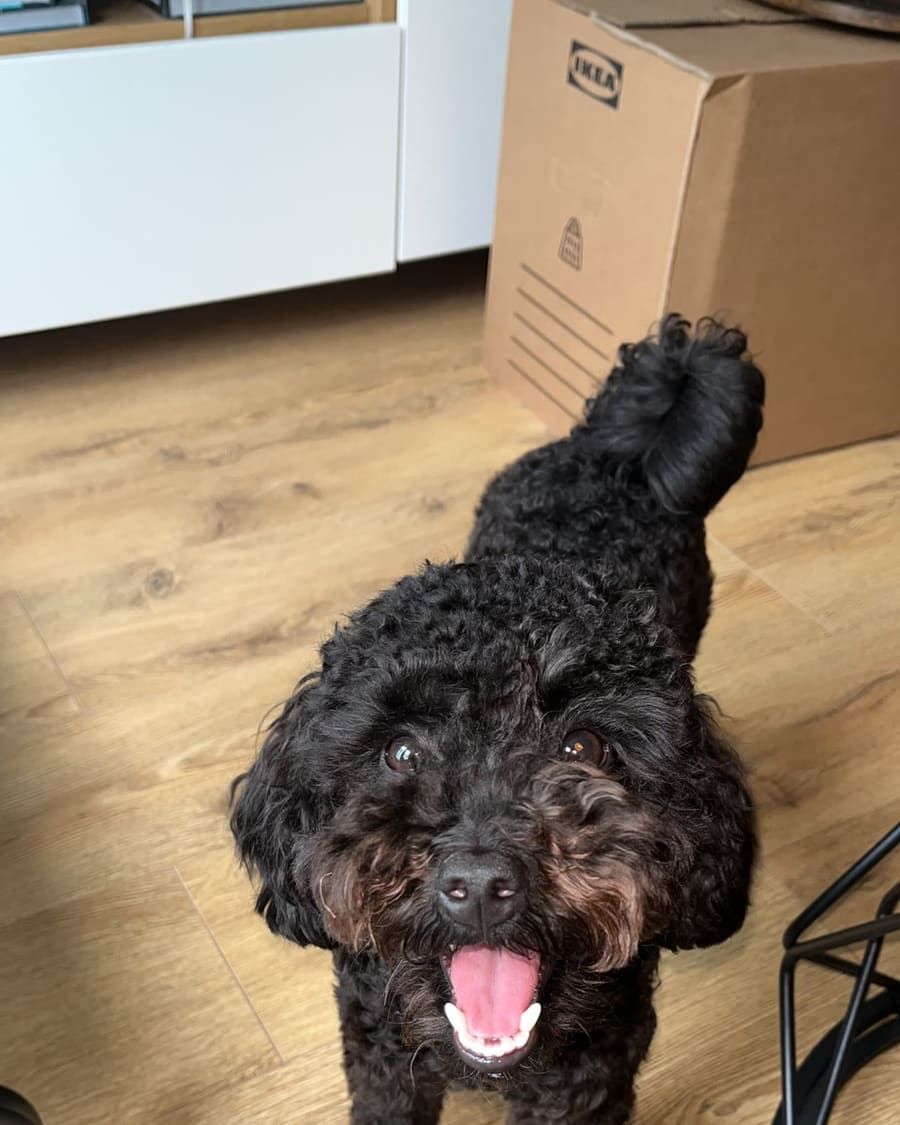
Rolo’s first train journey was a twenty-minute trip on the Overground. I’d planned it for days, packed like we were going on holiday, and still nearly forgot his water bowl. The platform noise startled him, the doors made him flinch, and for the first five minutes he sat trembling in his carrier. By the time we arrived, he was fast asleep. That’s the thing about puppies. They’re braver than we give them credit for.
If you’re ready to take your puppy on their first train ride, this guide covers everything: the rules for dogs on trains in the UK, how to prepare beforehand, what to pack, and how to actually survive the journey. It’s simpler than you think, and once you’ve done it once, a whole world of dog-friendly day trips opens up.
The rules: can dogs travel on UK trains?
Good news: dogs travel free on all National Rail services in the UK. There’s no ticket required and no booking needed. You can bring up to two dogs per passenger on most train operators.
The main rules are simple. Your dog must not take up a seat. They should be kept on a lead or in a carrier. They must be well-behaved and not cause a disturbance to other passengers. If your dog is muddy or wet, keep them off the seats.
London Underground, Overground, and Elizabeth line also allow dogs for free. On the Tube, dogs must be carried on escalators, which is easy with a toy poodle but trickier with larger breeds. On buses, it’s at the driver’s discretion, so trains are generally the more reliable option.
Some train companies recommend travelling off-peak with dogs, particularly if you have a larger breed. For a small puppy in a carrier, peak travel is manageable, but a quieter carriage makes the first experience calmer for everyone.
One important note: your puppy must have completed their vaccinations before using public transport. Check with your vet that they’re fully protected before exposing them to busy stations and shared spaces.
Preparing your puppy before the big day
Don’t make the station your puppy’s first encounter with loud, echoing environments. Start the desensitisation process at home a few weeks before your planned trip.
Sound exposure is the most important step. Play recordings of train sounds, platform announcements, doors beeping, engine noise, at a low volume whilst your puppy eats or plays. Gradually increase the volume over several days. The goal is for these sounds to become boring, not frightening.
Practice runs make a huge difference. Visit your local station without boarding a train. Let your puppy sniff around the entrance, hear the sounds, and watch people coming and going. Reward calm behaviour with treats. Do this two or three times before the actual journey.
If you’re using a carrier, make sure your puppy is comfortable spending time in it at home first. A carrier that only appears on travel day becomes a source of anxiety. Leave it open in your living room. Feed treats inside it. Let it become part of the furniture.
For toy poodles, a soft-sided carrier works brilliantly on trains. It’s light, fits on your lap, and gives your puppy a cosy den to retreat to when the world feels overwhelming.
What to pack for a smooth trip
Packing well is the difference between a calm trip and a stressful one. Here’s what I bring every time Rolo and I take the train.
The essentials: a collapsible water bowl and a small bottle of water, poo bags (always more than you think you’ll need), a few high-value treats for rewarding calm behaviour, and a familiar blanket or toy that smells like home.
Carrier or lead? For a first journey, I’d recommend a carrier. It gives your puppy a contained, safe space and means you don’t have to worry about them darting under seats or getting spooked. For confident older puppies, a lead and harness work fine, just keep them close and settled at your feet.
Extras worth considering: kitchen roll or a small towel in case of accidents, a chew toy for the journey (a long-lasting chew keeps them quietly occupied), and your puppy’s vaccination card if you’re travelling longer distances.
Don’t overpack. You want your hands free for the lead, the carrier, and your bag. A crossbody bag or rucksack works better than a tote on public transport.
On the train: how to handle the first ride
Choose a quiet, off-peak service for the first trip. Midmorning on a weekday is ideal, fewer passengers, less noise, more space to settle in.
Board calmly. Don’t rush. Find a seat with space around you, ideally near the end of the carriage where there’s more room. If the train is busy, standing near the doors with your puppy in a carrier is perfectly fine for short journeys.
The first few minutes are the hardest. Your puppy may whimper, shake, or try to climb out of the carrier. This is normal. Stay calm yourself, your energy directly affects theirs. Speak softly, offer a treat, and let them settle in their own time.
Don’t force your puppy to look out the window or interact with other passengers. Let them observe at their own pace. Most puppies will calm down within the first ten minutes once they realise nothing scary is happening.
If another passenger wants to pet your puppy, it’s fine to politely decline. Your focus should be on keeping the experience positive, not on socialising with strangers. There’s time for that later.
Keep the first trip short. Twenty to thirty minutes is plenty. You want to end on a high, arrive at your destination, have a lovely walk, and let your puppy associate the train with something good.
Where to go: easy first trips for you and your pup
The best first train trip is short, ends somewhere green, and doesn’t require changing trains. Here are a few ideas if you’re based in or around London.
Richmond is a quick trip on the District line or Overground. Richmond Park is one of the best off-lead dog spaces in London, with wide open spaces and gentle paths.
Brighton is about an hour from London Victoria. The seafront is dog-friendly year-round, and there are plenty of cafés that welcome dogs. A brilliant day out once your puppy is comfortable on slightly longer journeys.
Margate is a short high-speed train from St Pancras. Quieter than Brighton, with beautiful beaches and a relaxed vibe. Dogs are welcome on the main sands outside peak summer months.
Windsor is a short train from Paddington or Waterloo. The Long Walk in Windsor Great Park is stunning and perfect for puppies building confidence in new environments.
Start close to home and build up. Each successful trip builds your puppy’s confidence, and yours. Before long, weekend adventures by train become second nature.
Your puppy’s first train journey is a milestone worth celebrating. It opens up a whole map of dog-friendly destinations that would be impossible to reach on foot. The secret is preparation: desensitise to sounds, practise at the station, pack wisely, and keep that first trip short and sweet. Your puppy doesn’t need a perfect experience, just a positive one. Rolo now sleeps through most train journeys. He curls up in his carrier before we’ve even left the station. It took a few trips to get there, but every one was worth it.
FAQs
Do dogs need a ticket on UK trains?
No. Dogs travel free on all National Rail services, the London Underground, Overground, and Elizabeth line. No booking or ticket is required.
How old does my puppy need to be to travel on a train?
Your puppy must have completed their full vaccination course before using public transport. This is usually around 12–14 weeks old. Check with your vet to confirm.
Should I use a carrier or a lead on the train?
For a first trip, a carrier is usually better. It gives your puppy a contained, safe space. Confident older puppies can travel on a lead and harness at your feet.
What if my puppy has an accident on the train?
It happens. Bring kitchen roll, poo bags, and a small towel. Clean up quickly and discreetly. Avoiding a big meal before the journey helps reduce the risk.
Can I take my dog on the London Underground?
Yes. Dogs travel free on the Tube. They must be carried on escalators. Small dogs in carriers are easiest. Larger dogs can walk through the wide-access gates.
How do I keep my puppy calm on the train?
Stay calm yourself. Offer treats for quiet behaviour. Bring a familiar blanket or toy. Keep the first trip short so you end on a positive note before your puppy gets overtired.
Are dogs allowed on all UK train operators?
Most UK train operators allow dogs, but individual policies vary slightly. Up to two dogs per passenger is standard. Check your specific operator’s website if you’re unsure.
Can I sit with my dog in first class?
Policies vary by operator. Some allow dogs in first class, others don’t. It’s worth checking when you book. Standard class is generally the safest bet.
What’s the best time of day to travel with a puppy?
Off-peak, midmorning on a weekday is ideal. The train is quieter, there’s more space, and fewer passengers means fewer distractions for your puppy.
How long should my puppy’s first train journey be?
Twenty to thirty minutes is a great starting point. Short enough to avoid overwhelm, long enough for your puppy to settle and realise trains aren’t scary.


