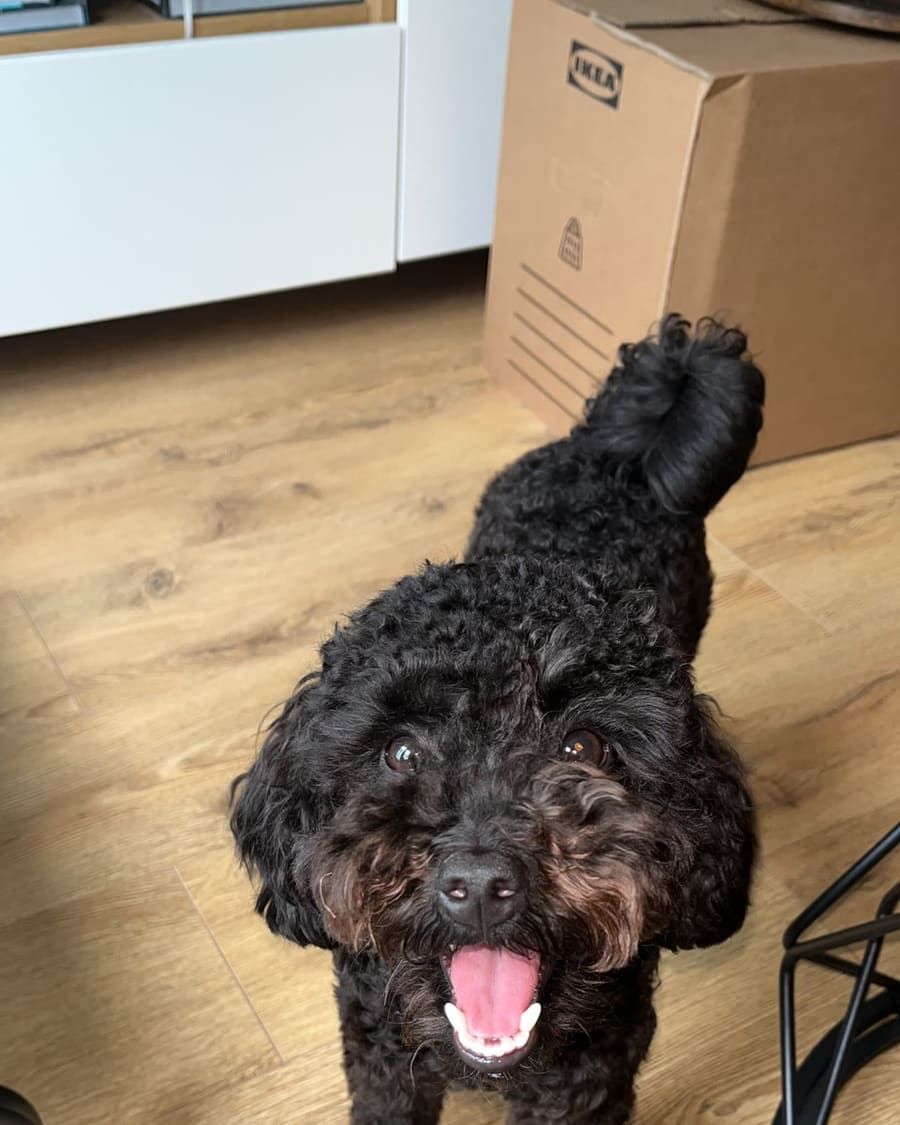
Fireworks and Toy Poodles: A Calm Guide for Bonfire Night and New Year's Eve
Dog scared of fireworks? Here's a calm, practical guide to getting your toy poodle through Bonfire Night and New Year's Eve, drawing on RSPCA and Dogs Trust advice.

Note: This post contains affiliate links. If you purchase via my link, I may earn a small commission at no extra cost to you.
If you have a dog scared of fireworks in the UK, you will know the dread that creeps in each October. The first bangs go off. Your little dog starts to shake. Nothing you say seems to help.
Rolo is a toy poodle, and he notices every pop, fizz and whistle. Small dogs can feel very exposed when the noise comes from every direction. Bonfire Night can last for days, and New Year’s Eve is often worse. You end up watching your dog pant, pace and hide, and you feel helpless.
The good news is that you can do a lot, and you can start now. This is a calm, practical guide to getting your toy poodle through firework season. It draws on advice from the RSPCA and from vets. It also covers where a behaviourist can help if the fear is deep.
Build a safe space before the fireworks start
A safe space is a quiet spot where your dog can retreat when the noise begins. The RSPCA advises that dogs should have access to it at all times, even when you are out. So set it up well before the first firework.
Pick a room or corner that is away from the street if you can. A covered crate, a bed under a table or a cosy corner all work. Let your dog choose. If he already hides somewhere, that is probably the right place.
Fill it with things that smell of home. Add a favourite blanket, a few toys and a chew. Close the curtains and windows to soften both the noise and the flashes of light. The RSPCA suggests a calm dog den is one of the best things you can offer.
Then leave him alone in it if he wants to be there. Do not drag him out for cuddles. Sit nearby, stay relaxed and let him decide.
Plan your walks and your evening routine
Fireworks tend to go off after dark. So walk your toy poodle in daylight, as the RSPCA recommends. Do the long walk and the last toilet trip early in the evening, before the noise starts.
Keep him on the lead, even in places where he is usually reliable. A startled small dog can bolt in seconds. Make sure his microchip details are up to date, in case the worst happens.
Feed his dinner early too. Then settle in for the night with the curtains drawn. Put the television or some music on to cover the bangs. The RSPCA mentions Classic FM’s Pet Classics as one calming option.
Keep your own voice and mood steady. Dogs read us very well. If you act as though nothing is wrong, he is more likely to settle.
Calming products that may help
Some products can take the edge off. None is a cure, and results vary from dog to dog. Talk to your vet before you buy anything that goes in or on your dog.
A pheromone diffuser plugs into a socket near his safe space. The RSPCA says these are available through vets. Put it in a week or two before the fireworks begin.
An anxiety wrap is a snug, stretchy jacket that applies gentle, even pressure. Some owners find it settles their dog. Try it on a quiet day first so he links it with good things.
White noise or calming music helps cover the sharp bangs. A lick mat spread with something safe and tasty gives him a job to do while the sky is loud.
Look for options sized for toy breeds when you shop, and check with your vet before introducing anything new.
Teach your poodle that loud noises are not scary
This takes weeks, so start early. It is called desensitisation. You play recordings of firework sounds at a very low volume while your dog does something he enjoys, such as eating or playing. Over time you raise the volume a little. The aim is for him to learn that the sound predicts nothing bad.
The RSPCA points owners to Sounds Scary, a therapy pack from Dogs Trust. It includes recordings and clear guidance. Go slowly. If your dog shows stress, turn the volume down and take a step back.
Look out for the quieter signs of worry. Excessive panting and yawning are two the RSPCA lists. Lip licking, pacing and hiding are common too.
If your dog’s fear is strong, ask your vet to refer you to a clinical animal behaviourist. They can build a plan around your dog. Your vet can also talk you through medication if it is needed.
What to avoid, and when to call the vet
The RSPCA is clear on a few things. Do not leave your dog alone during fireworks. Do not tie him up outside or leave him in a car. Do not take him to a display. And do not shout at him if he is frightened. Calm comfort is fine.
Call your vet if your dog is still very distressed after the fireworks end. The same goes if he stops eating, or if the fear gets worse each year. Fear of noise rarely fixes itself.
Final Thoughts
Fireworks are scary for a lot of toy poodles, and you cannot stop the bangs. You can make your home feel safe, though. A cosy den, early walks, a steady voice and some background sound will get most small dogs through.
This week, pick one job. Set up the safe space, or book a vet chat about the noise fear. Small steps now make Bonfire Night much calmer.
FAQs
Why is my toy poodle so scared of fireworks?
Fireworks are loud, sudden and unpredictable, and dogs hear far better than we do. Small dogs can feel especially exposed. Some dogs simply have a stronger startle response.
When does firework season start in the UK?
Fireworks are common from October through to New Year. Bonfire Night on 5 November and New Year’s Eve are the busiest nights. Expect noise for days either side.
Should I comfort my dog when he is frightened?
Yes, calmly. The RSPCA advises comforting a frightened dog rather than shouting at him. Stay relaxed and let him choose whether to sit with you.
Where is the best place for a safe space?
Choose a quiet spot away from windows and the street. A covered crate or a bed in a small room works well. Let your dog pick where he feels safest.
What time should I walk my dog on Bonfire Night?
Walk in daylight, as the RSPCA suggests, and finish before it gets dark. Do the last toilet trip early too. Keep him on the lead.
Do calming products really work?
Some dogs seem to benefit, but results vary, and products are not a cure. Try them well before the fireworks. Ask your vet about anything that goes in or on your dog.
What is desensitisation?
It means playing recorded noises at a low volume while your dog is relaxed or enjoying something. You raise the volume very slowly. The Sounds Scary pack from Dogs Trust is one RSPCA-recommended option.
What are the signs of stress in a dog?
Look for excessive panting and yawning, as well as pacing, hiding, shaking and lip licking. Some dogs go very quiet. Any change from normal can be a sign.
Can my vet help with a firework phobia?
Yes. Your vet can discuss medication if needed and refer you to a clinical animal behaviourist. Book early, as the weeks before November get busy.
Why does my dog’s microchip matter on Bonfire Night?
Frightened dogs can bolt through an open door or gate. A microchip with current details helps you get him back fast. Check your details are up to date before the fireworks start.


