Navigating the Tube with a Dog: A Stress-Free Tutorial
Dogs ride the Tube free if they are on a lead or in a carrier, and must be carried on escalators. Here is the step-by-step routine we use with Rolo.

The Tube is loud, hot and packed. You have a dog, a bag, a phone and about four minutes to catch your train. Then the doors beep, a trolley rattles past and your dog freezes on the platform.
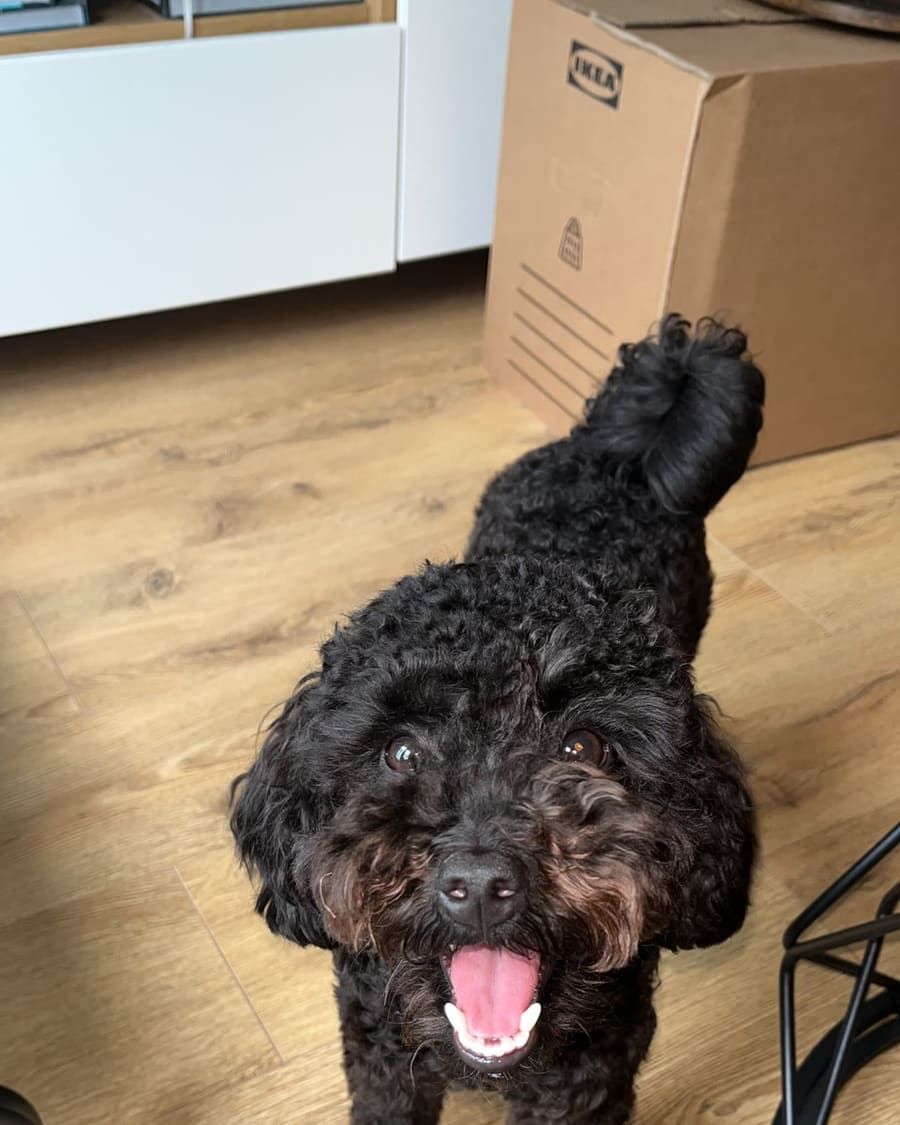
If that sounds familiar, you are not alone. Many London owners worry about dogs on the Tube, and it is easy to see why. Rolo is a small black toy poodle, and the first time we went underground I held him so tightly that we both looked a bit shocked.
The good news is that travelling on the London Underground with a dog is allowed, and it gets easier with a plan. This tutorial walks you through the rules, the prep, the steps and the calm-down tricks. It is a friendly guide to dog friendly London transport for anyone starting out.
The TfL Dog Rules You Need to Know Before You Travel
Start with the rules. They are short and clear.
What TfL says
Dogs are welcome on TfL services, free of charge, as long as they are under control. That means on a lead or in a suitable container. So the answer to “can dogs go on the Tube” is yes. The same general rule applies to the Overground and other TfL services, so check the TfL dog rules on the official website before you travel. We cover the wider rules in more detail in our guide to London’s public transport rules for pets.
The one rule people miss is about escalators. Dogs must be carried on escalators. Registered assistance dogs are the exception. A toy poodle is easy to lift, which is a real plus for us. If you have a bigger dog, look for the step free stations London has to offer and use the lifts.
Buses and cabs
Dogs on London buses are usually fine too, but the driver has the final say. Many guides suggest one dog per bus, though that is a soft rule rather than a law. Black cabs and taxi apps can say no to pet dogs. Only assistance dogs must be accepted, under the Equality Act 2010.
Getting Ready: Prepare Your Dog for the London Underground
A little prep does most of the work.
Carrier, lead and harness
Use a well-fitted dog lead and harness, and keep the lead short in a station. A small dog carrier you can pop on a shoulder is handy for escalators and busy platforms. Let your dog practise in the carrier at home first, with treats, so it feels like a cosy den and not a trap.
Toilet break and treats
Give your dog a toilet break before travel. Then pack soft dog treats for travel, a small water bottle and a collapsible bowl. Keep treats in an easy pocket so you can reward calm moments right away.
Step by Step: How to Take a Dog on the Tube
Here is the route we follow. It works well for a first trip.
- Pick a short, simple journey. Choose one with few changes. Your first trip should be a few stops, not a cross-city marathon.
- Enter the station calmly. Hold the lead close. Let your dog sniff and look around. Give a treat for staying relaxed.
- Carry your dog on the escalator. Lift your dog before you step on, and hold firmly. Do not let the lead dangle, since paws and fur can catch.
- Wait well back from the platform edge. Trains rush in fast and loud. Stand away from the yellow line with your dog close to your legs.
- Board and find a quiet spot. Stand near the doors or by a seat end if you can. Most quiet carriage tips come down to space, so avoid the middle of a crowd.
- Keep your dog close. Hold them in your arms or at your feet, with the lead short.
- Praise and treat. A calm journey deserves a reward.
That is the whole how to take a dog on the Tube routine. After a few trips it becomes automatic.
Choosing Your Time and Keeping Your Dog Calm
When you travel matters almost as much as how.
Off-peak travel
There is no official ban on dogs in rush hour. Even so, guides suggest travelling outside the busiest weekday times, roughly 7.30 to 9.30 in the morning and 5 to 7 in the evening. Off peak travel with a dog means more space and fewer surprises. It is the best way to avoid rush hour crowds.
Signs of stress
Learn to read your dog. A stressed pup may pant, tremble, tuck their tail, yawn or refuse treats. If you see these signs, step out at the next stop and take a breather. To calm an anxious dog on public transport, try a soft voice, a treat and some space. Short, happy trips build confidence.
Tube Manners and a Plan B
Good manners keep life easy for everyone. Keep your dog off the seats, and do not let them greet strangers unless the other person says yes. Some people are nervous around dogs, and some are allergic. This is simple dog etiquette on public transport.
Have a backup too. If your dog is frozen with fear, you can leave the station and walk, or book a ride. Remember that cabs can refuse pet dogs. And what if my dog is scared of the Tube? Then go back to basics. Practise carrier time at home, then try one quiet stop at a quiet hour.
Assistance dogs have their own rights on TfL services under the Equality Act 2010, so be considerate if you meet one working.
Final Thoughts
Taking a dog on the Tube is very doable. Know the rules, keep your dog on a lead or in a carrier, carry them on escalators and travel at quiet times. Your first outing should be short and sweet.
This week, try one little trip with your dog and a pocketful of treats. Notice what goes well, and build from there. London is a wonderful city for dogs, and it is yours to explore together.
Have a question or a story about your own toy poodle? Follow Rolo on TikTok and YouTube and get in touch there.
FAQs
Are dogs allowed on the Tube?
Yes. TfL welcomes dogs on its services free of charge, as long as they are under control on a lead or in a suitable container. Staff can still refuse a dog in extreme overcrowding or if it behaves aggressively.
Do I have to carry my dog on the escalator?
Yes. Dogs must be carried on escalators, except registered assistance dogs. If you cannot lift your dog, use a step-free station with a lift.
Do dogs need a ticket on London transport?
No. TfL says dogs travel free of charge. You still need your own ticket or payment method as normal.
Can I take my dog on a London bus?
Usually, yes, but it is up to the driver. Some guides mention a one-dog-per-bus soft rule. Be ready for a polite no.
Are dogs allowed on the Overground?
TfL welcomes dogs on its services under the same basic rules: under control, on a lead or in a container. Check the TfL website before you travel for the latest advice.
Do black cabs have to take dogs?
Not pet dogs. It is up to the driver. Only assistance dogs must be accepted by law, under the Equality Act 2010.
Is it okay to travel in rush hour?
There is no official ban. Still, it is far easier and calmer off-peak, so travel outside the busiest times if you can.
Should I use a carrier or a lead?
Either is allowed. A lead and harness work well on the train, and a carrier is handy for escalators and crowded platforms. Many small dog owners use both.
How do I stop my dog being scared of the Tube?
Go slowly. Practise short trips at quiet times, use treats and praise, and get your dog used to the carrier at home first. If your dog stays very anxious, ask your vet or a trainer for help.
Can assistance dogs travel on the Tube?
Yes. They must be accepted on TfL services under the Equality Act 2010, and they travel free. They are also exempt from the carry-on-escalators rule.


