Understanding London's Public Transport Rules for Pets
Dogs travel free on the Tube, buses and Overground as long as they're on a lead or in a carrier. Here's what TfL actually allows, and how to handle escalators, platforms and trains.
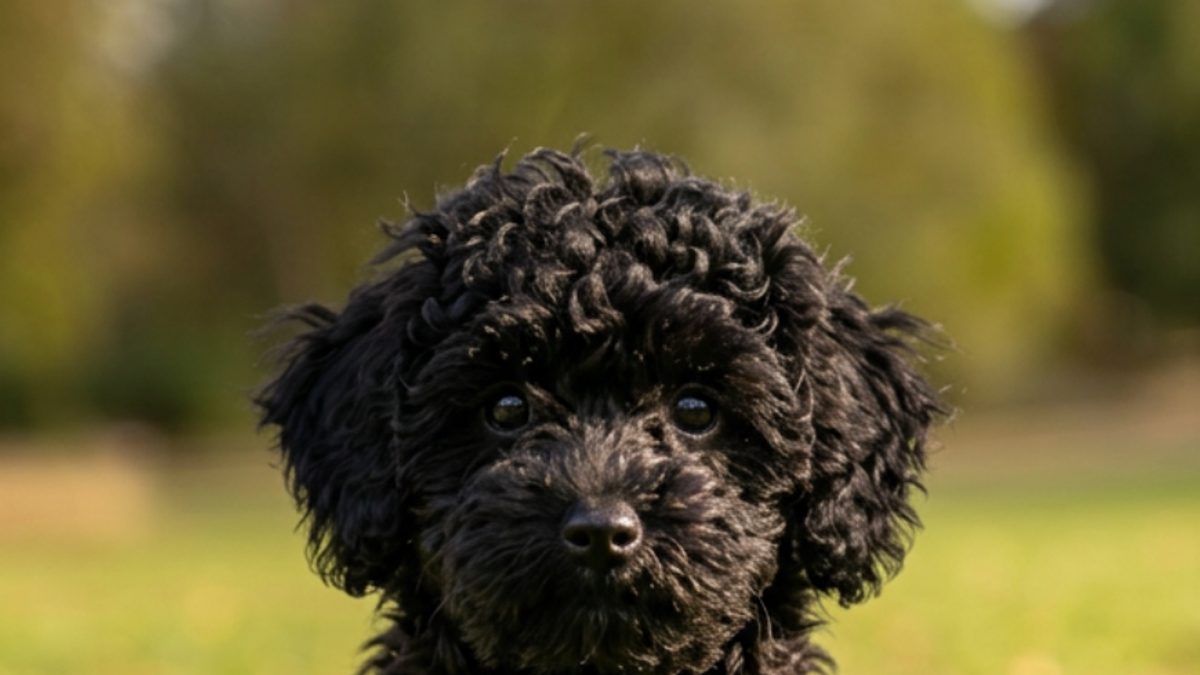
You step onto the platform with your dog. The train roars in. A crowd surges forward. Your dog freezes, and you’re not even sure you’re allowed to be there.
London’s transport network is huge, and the rules for pets are easy to get wrong. Nobody wants to be told off by staff, or to find out halfway down an escalator that something isn’t allowed. It’s stressful for you and scary for your dog.
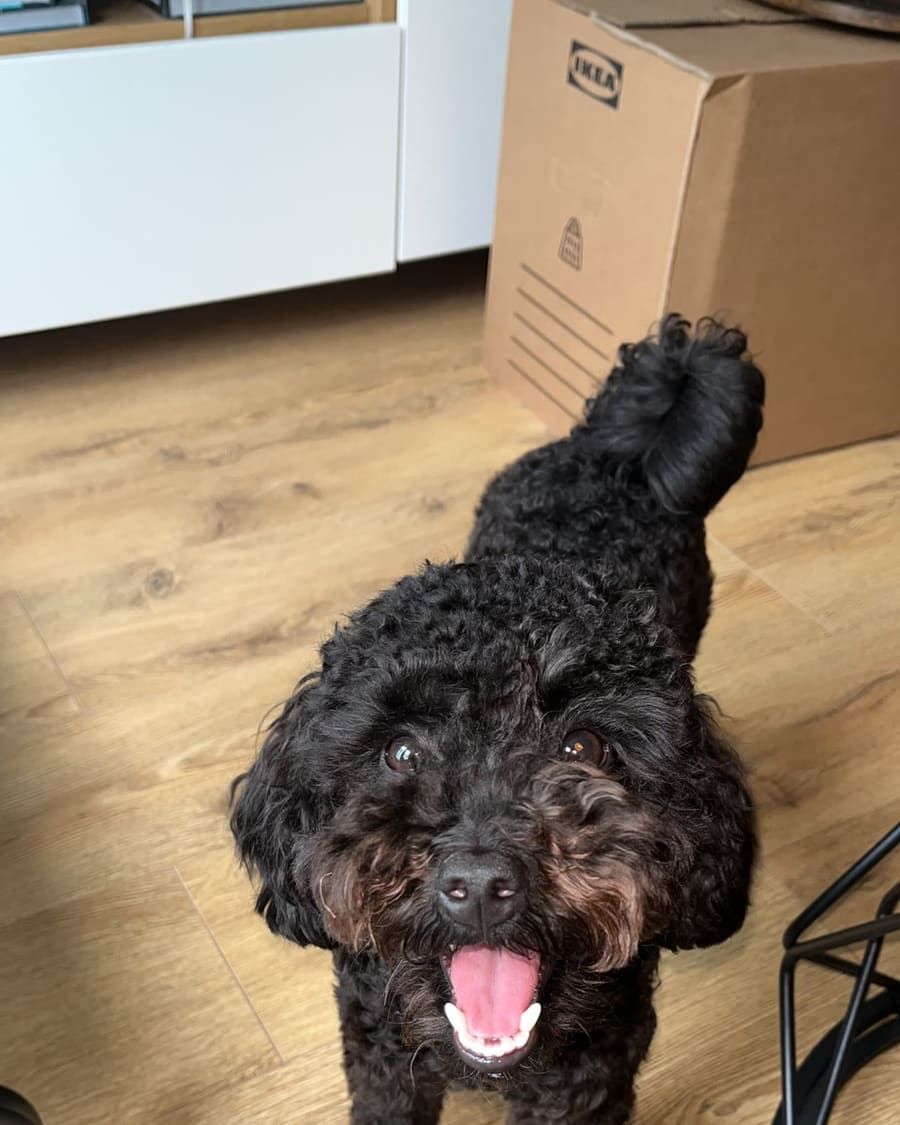
When Rolo took his first train journey, I was nervous too. Reading the rules beforehand made the whole trip feel calmer.
This guide explains the rules for dogs on the Tube and London public transport. You’ll learn what TfL allows, how to handle escalators and crowds, what to check for trains and taxis, and how to prepare a toy poodle. Then you can travel with confidence.
Dogs on the Tube and buses: what TfL allows
The good news is that dogs can use most of London’s public transport. According to Blue Cross, dogs can travel for free on the London Underground and London Overground, as long as they’re kept on a lead or in a crate or carrier. Dogs are also allowed on all London buses, trains, tubes and trams for free.
That lead rule is simple but strict. Keep the lead short and your dog close. A small dog like a toy poodle can also travel in a carrier, which keeps them safe and out of the way.
Your dog needs to behave. Station staff can refuse you entry if your dog is misbehaving. That means a dog that’s barking, lunging or out of control may be turned away. If your dog is nervous, practise short, quiet journeys first.
TfL publishes its rules in its Conditions of Carriage. It’s worth a read before your first trip, because rules can change. If you’re unsure, check the TfL website or ask staff.
Step-free access matters too. The DLR, trams and the Overground have lifts at many stations, which makes life easier if you have a dog who dislikes escalators. Check your route first to see which stations have lifts.
Escalators, platforms and Tube etiquette with dogs
Escalators are the biggest risk for dogs. Paws and claws can get trapped in the moving steps. Dogs can’t ride an escalator on their own. You must either carry your dog, or ask staff to stop the escalator when the station isn’t busy. Staff may only stop one outside rush hour, so be ready to wait or use a lift.
With a toy poodle, carrying is easy. Pick your dog up before the first step, hold them firmly and keep the lead tucked away. Don’t let it dangle.
On the platform, stay behind the yellow line, and keep your dog on a lead at all times. Trains arrive quickly and noisily, and many dogs find that frightening. Stand away from the platform edge until the train stops.
Good manners help everyone. Keep your dog off the seats, away from other people’s bags and out of the doorways. Not everybody likes dogs, and some people are allergic or afraid. Ask before anyone strokes your dog.
Avoid rush hour if you can. A packed carriage is stressful for a small dog, and a tiny paw can easily get stepped on. Off-peak travel is far calmer.
Trains, taxis and beyond TfL
TfL rules cover its own network. Other transport has different rules.
For National Rail trains, each train company sets its own policy. Most let you take dogs for free, but there are usually limits on how many dogs you can bring and whether they must be on a lead or in a carrier. Check the rules of the company you’re travelling with before you go.
Taxis work differently again. Drivers of black cabs and minicabs often decide for themselves whether to take a dog. Ask when you book or hail the cab. Take a towel or blanket to keep the seat clean, which also helps a driver say yes.
Assistance dogs have special legal protections, and the rules for them differ from pet dogs. If you travel with one, check the guidance from the operator and from an assistance dog charity.
Rules also change over time, and there can be temporary notices during strikes or works. A quick look at the operator’s website before you leave takes two minutes and avoids a stressful surprise.
When in doubt, ask staff. They deal with dogs often and are usually happy to help.
Travelling with a toy poodle: practical tips
A toy poodle is easy to carry, which gives you options. A well-fitting carrier is a great first purchase. Choose one with good ventilation and a secure zip, and let your dog get used to it at home before the big day. Put a treat inside and leave the door open.
Start small. Take a short trip of one or two stops, and reward calm behaviour. Build up slowly. Puppies should have finished their vaccinations before they travel on busy transport, so check with your vet.
Plan your route in advance. Pick stations with lifts, avoid changes with long escalators, and travel off-peak when you can. Allow extra time, because you won’t want to rush.
Pack a small bag: water and a bowl, poo bags, treats, a towel, and a favourite toy. Keep your dog’s microchip details up to date, in case of an emergency.
Watch your dog’s body language. Panting, shaking or hiding are signs of stress. If your dog is struggling, get off at the next stop and take a break. Nothing is worth frightening them.
Once your dog is confident on the Tube, a whole city of dog-friendly cafes opens up at the other end of the journey.
Final thoughts
Most of London’s public transport welcomes dogs, as long as they’re on a lead or in a carrier and behaving well. Escalators need care, rules differ for trains and taxis, and a little planning goes a long way.
This week, pick one short journey and practise it. Choose a quiet time, bring treats, and carry your dog on the escalator. Notice what they find hard, and build from there.
London is a wonderful city to explore with a dog. Rolo and I are still learning, one journey at a time.
FAQs
Can I take my dog on the Tube?
Yes. Dogs can travel for free on the London Underground and Overground, as long as they’re on a lead or in a carrier. Staff can refuse entry to a dog that misbehaves.
Are dogs allowed on London buses?
Yes. Dogs are allowed on London buses for free. Keep your dog on a lead or in a carrier, and make sure they don’t block the aisle.
Do dogs have to pay on TfL?
No. Dogs travel for free on London buses, the Tube, trams and the Overground.
Can my dog use the escalator?
Not on their own. You should carry your dog, or ask staff to stop the escalator when the station is quiet. A lift is another option.
Does my dog need a muzzle?
There’s no general muzzle rule in the guidance we checked. Check the TfL Conditions of Carriage, or ask staff, if your dog is a breed that needs one by law.
Can I take my dog in a black cab?
It’s up to the driver. Ask when you book or hail the cab, and bring a towel or blanket for the seat.
Can I take my dog on National Rail trains?
Usually yes, but each train company has its own rules about numbers and leads. Check with your operator before you travel.
When is the best time to travel with a dog?
Off-peak. Quiet carriages are far calmer for a small dog, and there’s more room to move safely.
How can I help a nervous dog on public transport?
Start with very short trips, bring treats and use a carrier your dog knows. If stress continues, talk to your vet or a qualified trainer.
Can a puppy travel on the Tube?
Ask your vet first. Puppies should usually finish their vaccinations before busy public places. Once cleared, carry your puppy and keep trips short.


