The Best Lightweight Travel Carriers for the London Underground
Dogs can ride the Tube on a lead, but a carrier makes escalators and busy platforms much easier for a small dog. What to look for, three well-known options, and how to get your dog used to one.

Getting a small dog round the London Underground sounds simple. Mostly it is, until you reach the escalator.
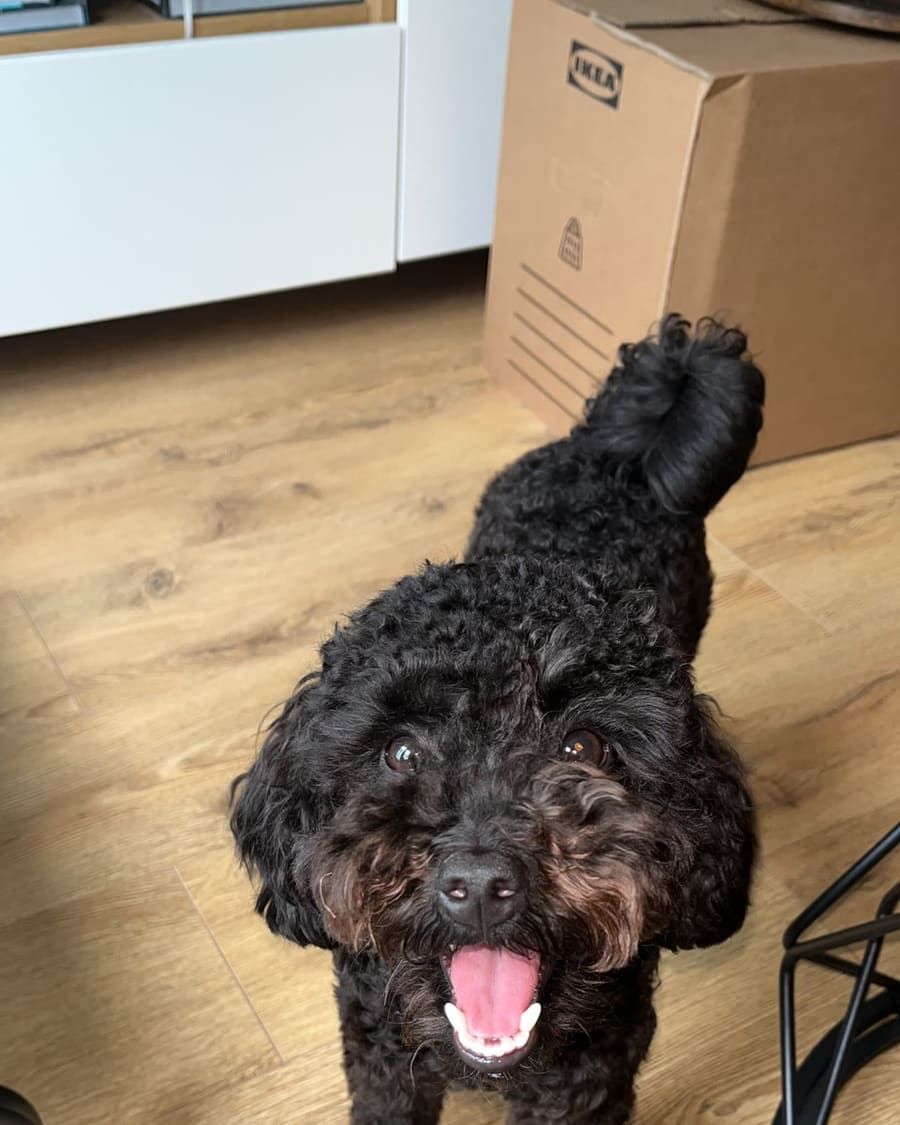
TfL lets dogs travel free on a lead or in a carrier, but they must be carried on escalators. With a toy poodle like Rolo that means scooping him up at every station, often with a bag on one shoulder and a phone in the other hand. A good carrier turns that juggling act into one easy movement.
The trouble is that many carriers are designed for car trips or the odd vet visit, not ticket barriers and packed platforms. Some are too stiff, some too hot, and some impossible to zip with one hand.
This guide covers what to look for in a lightweight dog carrier for the Tube, three well-known options and their trade-offs, and how to help your dog feel at home in one.
What TfL Actually Says About Dogs
Dogs travel free on TfL services as long as they are under control, on a lead or in a suitable container. They must be carried on escalators, unless they are registered assistance dogs, and they should not sit on seats. We cover the full rules in our guide to London’s public transport rules for pets.
So a carrier is not required. For a small dog, though, it is often the easiest option. Your dog is already off the floor for the escalator, safe from feet and wheels on a crowded platform, and settled in one place on the train.
The same basic rules apply across the Tube, Overground, Elizabeth line and DLR. Check the TfL website before you travel, since policies can change.
What to Look For in a London Carrier
Weight and packability. You will be carrying your dog’s weight on top of the bag, so every gram counts. Soft-sided carriers that fold flat between uses are far more practical than rigid ones. Check the empty weight on the listing before you buy, because it varies a lot between models.
Ventilation and visibility. Your dog needs airflow and a view out. Mesh panels on at least two sides are a good minimum. A dog that can see what is happening around them often stays calmer than one in a dark, closed bag.
Security and zips. A zip that can be clipped or locked matters. Dogs that know a carrier will nudge at the zip pulls, and one accidental opening in a busy station is all it takes. Look for lockable zips and an internal safety tether that clips to your dog’s harness.
Carry options. The best carriers have both a shoulder strap and a top handle. A cross-body strap leaves your hands free for barriers and handrails. A top handle is useful for quick lifts on and off the train.
Three Well-Known Carriers and Their Trade-Offs
These are popular choices that come up again and again among small dog owners. Specs vary between versions, so check the current listing for size, weight and the maximum pet weight before you buy.
Sleepypod Air: best for safety and flights
The Sleepypod Air is a structured carrier with mesh on all four sides, a removable safety tether, a padded shoulder strap, a top handle and a sleeve that slides over a suitcase handle. Sleepypod says it has been independently crash-tested by the Center for Pet Safety for pets up to 8 kg, and its length compresses to fit under airline seats.
The trade-off is weight and price. Sleepypod lists it at around 2 kg empty with the shoulder strap, which is heavy for a carrier you lift at every escalator. It makes most sense if you also fly or drive with your dog and want one carrier for everything.
Petsfit soft-sided carriers: best budget option
Petsfit makes a range of soft-sided carriers with mesh panels, and many fold down for storage. They are widely available in the UK and cost far less than premium brands. Features differ between models, so check the listing for a lockable zip, a safety tether and the size that suits your dog.
Pecute backpack carriers: best for longer days out
When the Tube is one leg of a longer day, a rucksack-style carrier spreads the weight across both shoulders and keeps your hands free. Pecute’s backpacks have breathable mesh windows and sit close to your body, which helps in crowded carriages. A backpack is slower to get your dog in and out of than a shoulder bag, so it suits longer trips more than quick hops.
How to Get Your Dog Used to a Carrier
The carrier is only half the job. A dog who has never been in a bag will find a first Tube trip stressful, however good the carrier is.
Start at home. Leave the carrier open on the floor with a familiar blanket inside, and let your dog explore it in their own time. Feed treats inside it. Then build up to short spells with the zip closed, and a short walk around the block in the carrier.
Keep the first Tube trip short: two or three stops, off-peak, on a quieter line. Bring a treat pouch and stay calm yourself, because your dog reads your mood. A relaxed owner and a carrier that smells of home make everything easier. For the full step-by-step routine, see our stress-free Tube tutorial.
Final Thoughts
Taking a small dog on the London Underground is completely doable. The rules are simple, most passengers are more curious than bothered, and the city opens up when your dog can come along.
The carrier you pick makes a real difference. Get the weight, ventilation and security right, and choose a style that matches how you actually travel. A well-made carrier lasts for years and makes every journey easier.
Have a question or a story about your own toy poodle? Follow Rolo on TikTok and YouTube and get in touch there.
FAQs
Can I take my dog on the London Underground?
Yes. TfL lets dogs travel free on the Tube as long as they are on a lead or in a carrier. They must be carried on escalators and should not sit on seats.
Does my dog have to be in a carrier on the Tube?
No. A lead is fine. A carrier is simply easier for a small dog, especially on escalators and crowded platforms.
What size carrier do I need for a toy poodle?
Check the carrier’s maximum pet weight and its inside measurements. Your dog should be able to stand up, turn around and lie down comfortably inside.
Are dogs allowed on the Overground and Elizabeth line?
Yes. The same basic TfL rules apply across the Tube, Overground, Elizabeth line and DLR. Check the TfL website for the latest advice before you travel.
How do I get my dog used to a carrier?
Start at home. Leave it open with a familiar blanket inside, feed treats in it, and build up to short zipped sessions before any real journey.
Is the Sleepypod Air good for the Tube?
It is very secure and crash-tested, but at around 2 kg empty it is heavier than many soft carriers. It suits owners who also fly or drive with their dog.
Is there a weight limit for dogs on the Tube?
TfL does not set one. In practice your dog needs to be carried on escalators, so if you cannot lift them safely, use step-free stations with lifts.
When are the quietest times to travel with a dog on the Tube?
Avoid the weekday rush hours, roughly 7.30 to 9.30 in the morning and 5 to 7 in the evening. Mid-morning and early afternoon are usually calmer.
Can I use a baby carrier or sling for my dog?
Some owners do, but a carrier made for dogs is safer. It has a safety tether and ventilation designed for a dog.
Do I need to tell anyone I’m bringing a dog on the Tube?
No. There is nothing to register or book. Keep your dog under control and be considerate of other passengers.


